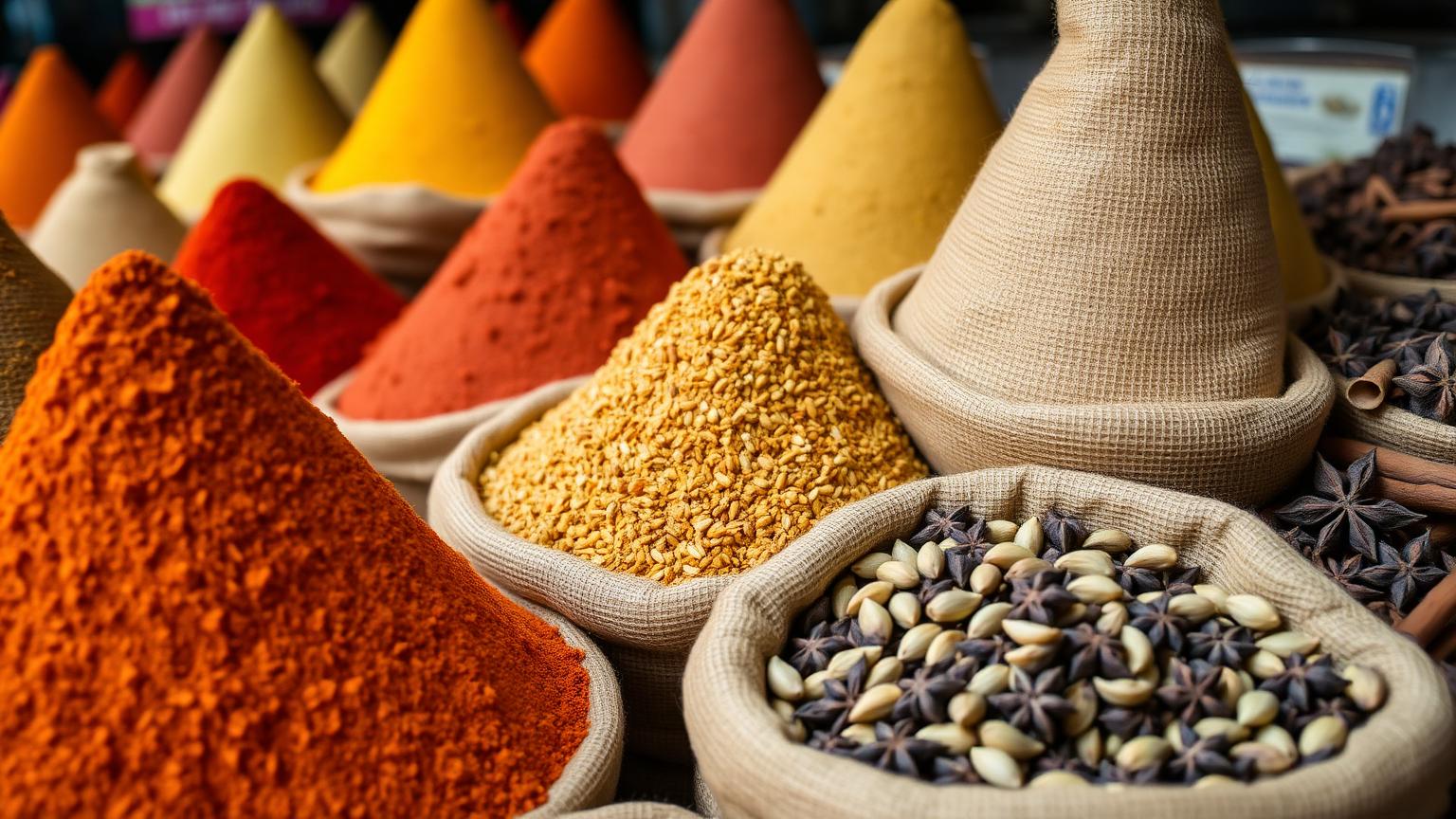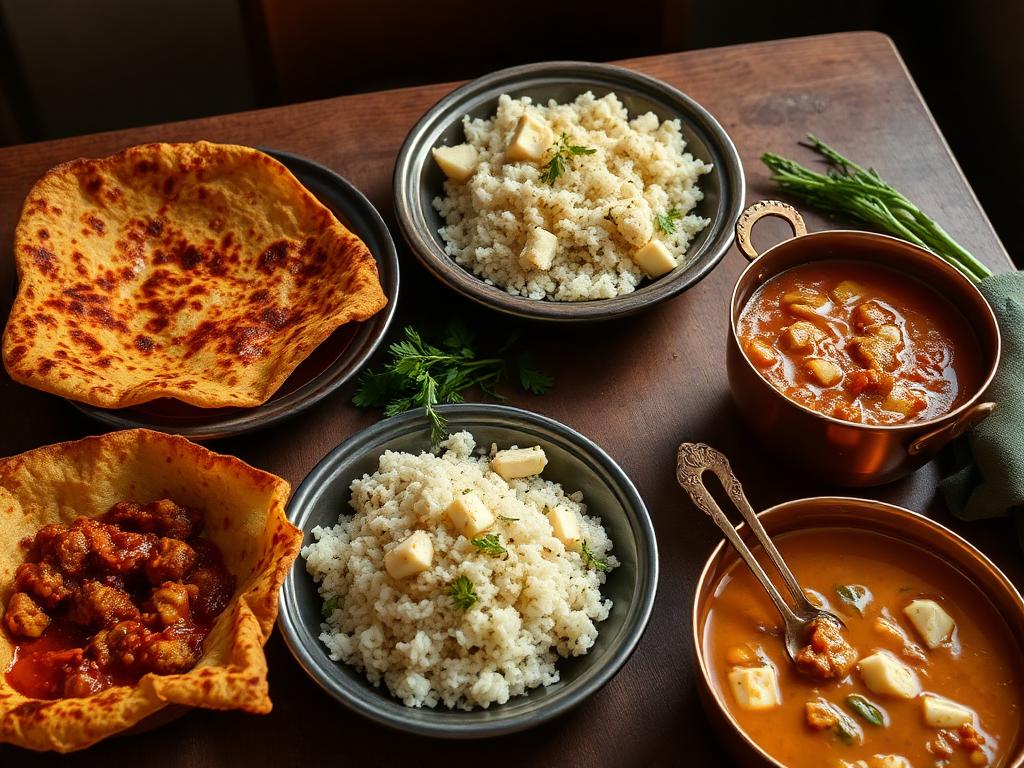
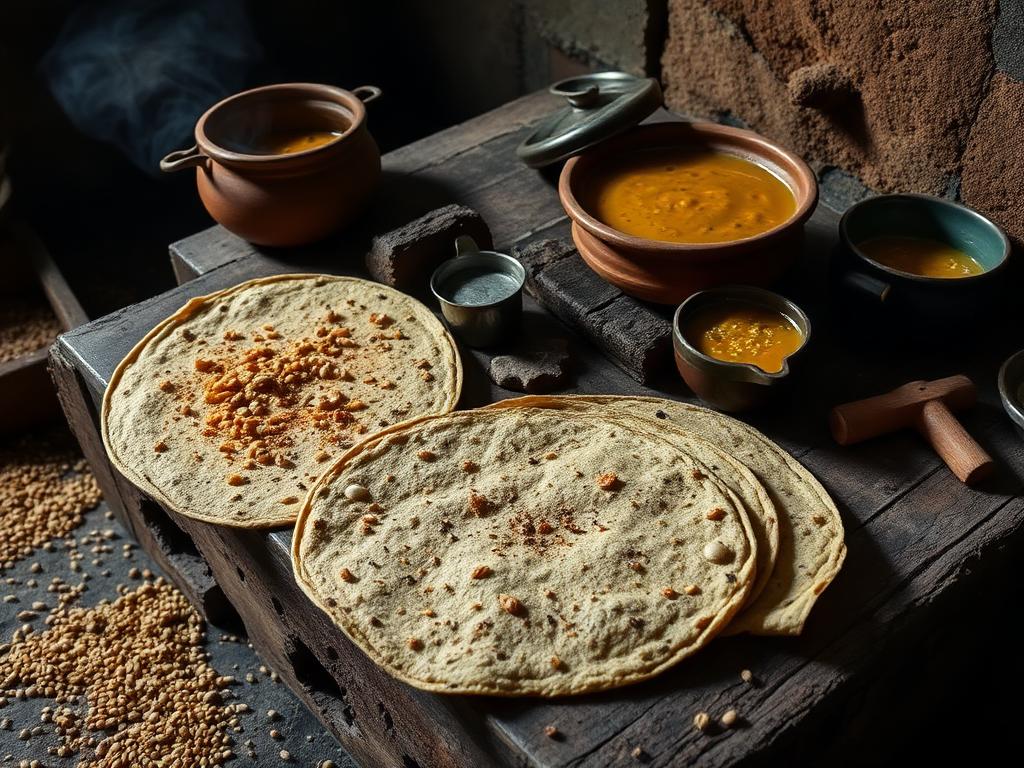
Before 1960, a farmer in Bastar or Bellary grew kodo, kutki, jowar, bajra and ragi, each suited to a soil and a rainfall pattern refined over three thousand years. Then came high-yield wheat and rice, guaranteed procurement, subsidised fertiliser and irrigation, and within two decades the millets were reclassified in official language as 'coarse cereals' — a phrase that did more damage than any drought.
The nutrition arithmetic is not close. Finger millet carries around 344 mg of calcium per 100 g against rice's 10. Pearl millet delivers roughly eight times rice's iron. Barnyard millet has nearly fourteen grams of fibre where polished rice has one. Every millet has a lower glycaemic index than white rice, which matters in a country with over a hundred million people living with diabetes.
They were called 'coarse cereals' for forty years. They were the most nutritious grains on the plate the whole time.
The agronomy argues the same way. Millets ripen in 70 to 100 days on a fraction of the water paddy demands, tolerate poor soil, and survive the erratic monsoons that climate change is making normal. A hectare of bajra in Rajasthan asks for roughly a quarter of the water a hectare of rice needs.
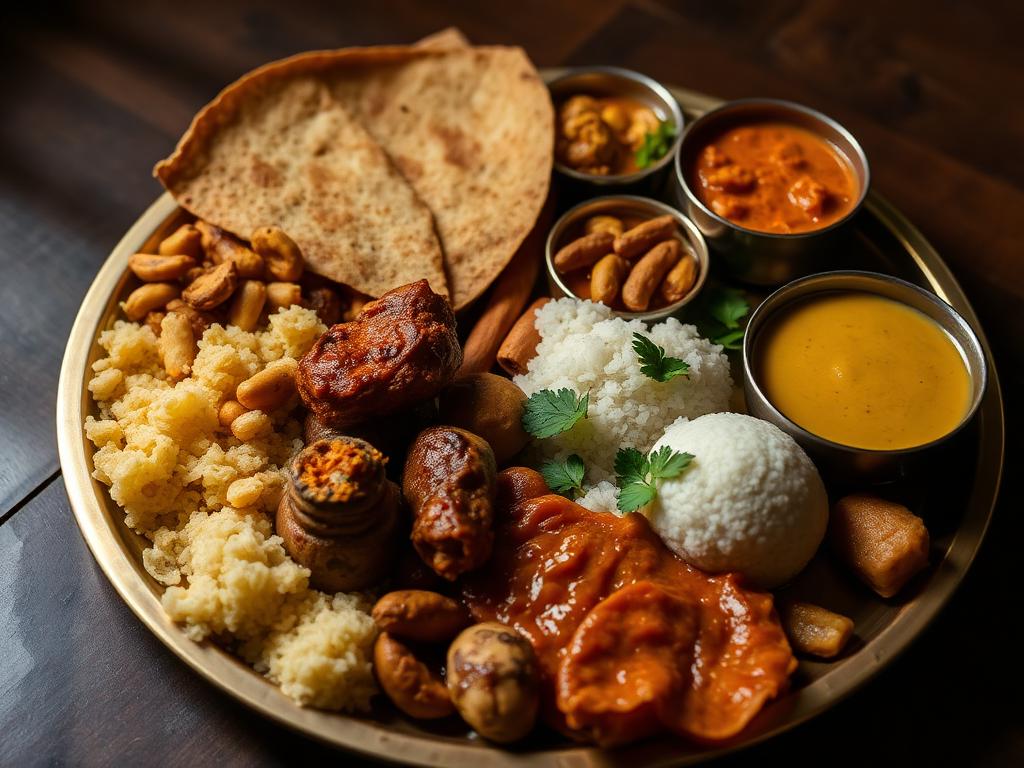
2023 was declared the International Year of Millets at India's proposal, and the grains returned to public distribution and to restaurant menus. But the real revival is quieter and older: a ragi mudde eaten with saaru in a Karnataka farmhouse, a jowar bhakri patted out by hand in Solapur, a bowl of bajra khichdi with jaggery and ghee on a cold Rajasthani night. The technique never left. Only the fashion did.