Ayurveda's shadrasa — sweet, sour, salty, pungent, bitter and astringent — is not a flavour wheel for chefs. It is a prescription. Each taste is understood to act on the doshas differently, and a meal containing all six is considered complete in a way that no single dish can be.
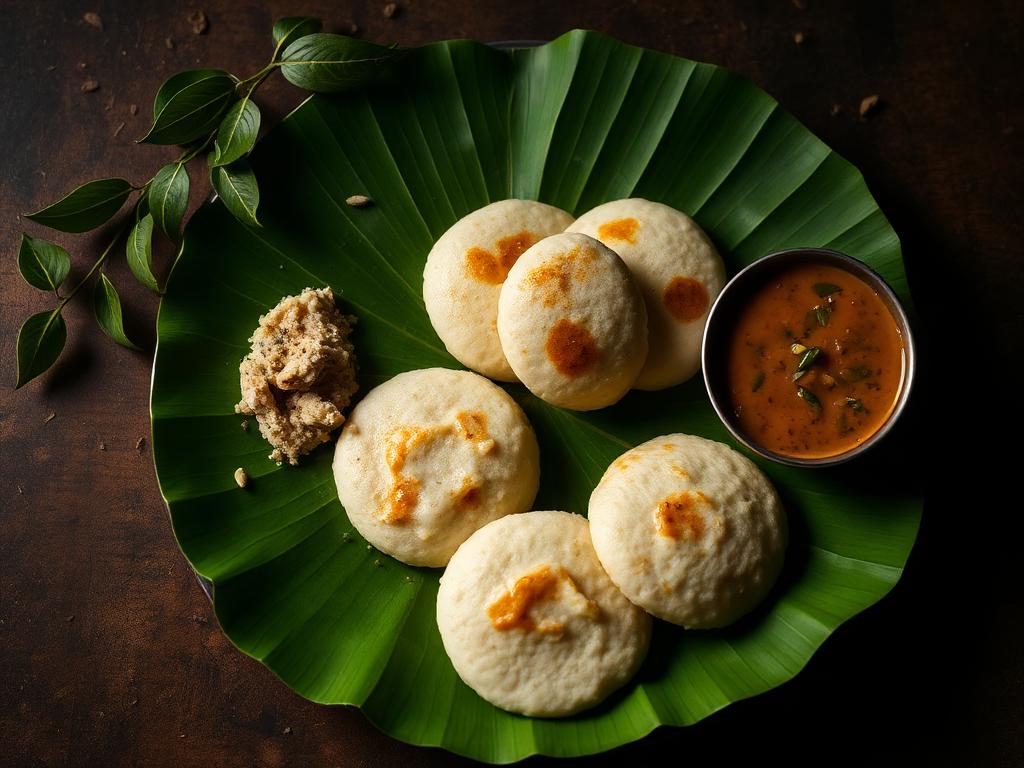
This is why a Kerala sadya is served in a fixed sequence around a banana leaf, why the bitter shukto opens a Bengali lunch rather than closing it, and why a Gujarati thali sets something sweet next to something sharply sour. The arrangement is the recipe.
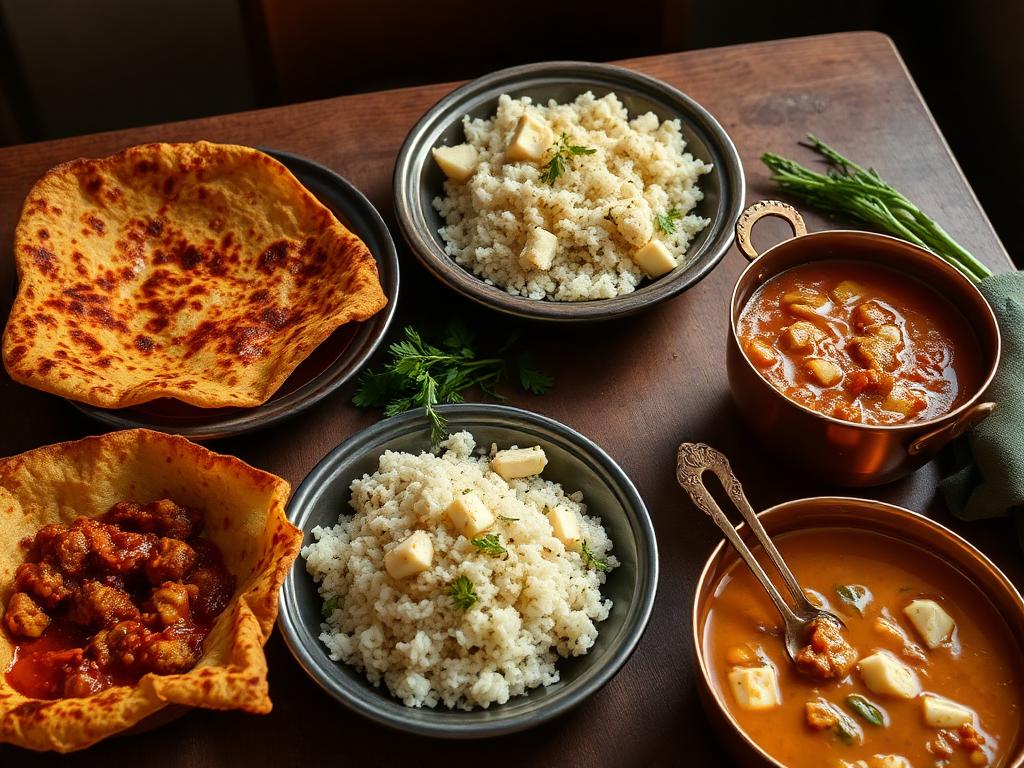
Turmeric and pepper, rice and dal, curd and chilli: the pairings were right long before anyone could say why.
The pairings encode real chemistry. Turmeric with black pepper: piperine raises curcumin absorption dramatically. Rice with dal: two incomplete proteins that together supply every essential amino acid. Yoghurt with chilli-heavy food: fat and casein blunt capsaicin. Ghee at the start of a meal to prepare digestion; buttermilk at the end to settle it. Asafoetida in a bean dish because it eases exactly the flatulence that beans cause.
None of this was arrived at through nutritional science. It was arrived at through several thousand years of attentive eating, tested daily by millions of people, and passed down as habit rather than as theory. Which is why the most reliable Indian cookbook has always been someone's grandmother.